


Jason
November 8, 2026Amazon unserved demand can unlock fresh opportunities for ambitious sellers who want to stand out in a crowded marketplace. If you’re an established e-commerce owner or just starting your journey, digging into unmet customer needs on Amazon can set you apart from competitors. New sellers keep joining the platform: about 165,000 sellers listed their first product on Amazon.com in 2025, down 44% from 2024 and the lowest annual total since Marketplace Pulse began tracking in 2015. Fewer newcomers helps, but the easy product ideas still fill up fast.
For a closer look at how to spot these gaps, explore our detailed guide on Amazon product research and why it matters.
Why Unserved Demand Matters
Unserved demand refers to product needs that shoppers cannot easily find on the platform. This challenge often arises from inadequate product availability, overlooked niche categories, or missing features in existing listings. By tapping into these underserved areas, you can appeal to buyers seeking specialized solutions.
Third-party sellers account for 61–62% of the units sold on Amazon (Marketplace Pulse, February 2026), and that intense competition means standard product ideas can quickly become saturated. Identifying hidden opportunities allows you to avoid fierce rivalries and focus on meeting unique requirements that others have missed.
Many successful Amazon sellers say that understanding unserved niches offers a faster route to profitability. Because fewer listings target these demands, your product is more likely to surface at the top of search results—or even achieve the Amazon’s Choice badge. Skipping this process could mean missing out on significant pockets of revenue.
Key Indicators of Hidden Opportunities
Spotting unserved demand on Amazon usually starts with looking for clear signals. Below are core areas to investigate:
- Limited Competitor Presence: If only a few sellers appear for certain long-tail keywords, there could be room for new, specialized offerings.
- Lackluster Reviews: Common complaints about competitor products often point to features that buyers want but rarely see.
- High Search Volume, Low Supply: Research popular search terms that yield sparse product results, suggesting a possible market gap.
- Seasonal Trends: Items popular during peak events can still have hidden sub-niches, such as gift bundles or travel kits.
Data analysis is what separates a real gap from a hunch, and most sellers have noticed: 83.4% of marketplace sellers now use AI somewhere in their operations (Marketplace Pulse Seller Index 2026, covering marketplaces generally). Sellers who rely on guesswork can miss out on these insights altogether, or chase gaps that turn out to have no buyers behind them.
Expanding Your Amazon Toolset to Unearth New Niches
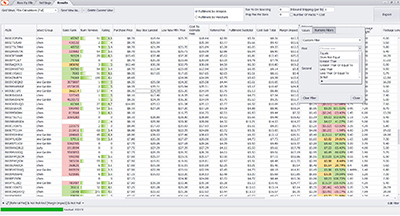
Success in identifying unserved demand often comes down to using the right toolset. Beyond manual research and reading reviews, leveraging advanced analysis platforms can streamline your workflow. Platforms like stage.analyzer.tools scan supplier price lists in bulk, showing profit, ROI, estimated sales and Bought in Past Month for each product, so you can see which products have real demand behind them. Integrating free keyword research utilities and exploring the best Chrome extensions for Amazon sellers can help you surface emerging trends before they become saturated, helping you stay ahead of the curve. Using tools that combine deep data points and customizable filters allows you to spot market voids with greater accuracy and act quickly on new opportunities.
Conducting Amazon Competitor Analysis
Analyzing competitors is essential to uncover unmet needs. Look at their product listings, bullet points, and even secondary images. Notice if they provide incomplete information or skip crucial specifications. If you find multiple negative reviews mentioning the same shortfall, you have a strong clue about what’s missing.
Pricing also offers hints. When rival sellers keep prices consistently high while sporting mediocre reviews, you might spot a chance to launch a better product at a similar or slightly lower price point. Such strategies can give you an immediate edge.
Another smart approach is to watch competitor ad campaigns. Products often have strong pay-per-click (PPC) visibility but fail to convert if they don’t solve user pain points. If you can deliver exactly what buyers need, you can shift that lost traffic to your own listing.
For more insights on research methods, check out our article on Amazon product research and why it matters. It illustrates how data-driven strategies help pinpoint these gaps faster. For those seeking broader competitor insights, our guide on choosing the right competitor tool covers alternative analysis platforms.
Strategies to Discover Niche Markets
Niche markets on Amazon are specialized corners where a distinct group of buyers look for specific solutions. These smaller categories allow new sellers to target profitable subgroups without battling massive brands. Here’s how to uncover them:
1. Advanced Keyword Research
Begin with Amazon’s autocomplete feature by typing in partial search terms. Observe related searches for unexpected qualifiers buyers use. Then expand your keyword list with third-party tools to explore conversions on long-tail phrases.
Focusing on long-tail keywords can be powerful because they often reflect more precise buyer intent. If the product results are weak for high-value terms, it signals a possible unmet demand.
2. Monitoring Customer Reviews
Read negative and three-star reviews across multiple product pages. Look for repeated suggestions like “It would be better if it had…” or “I wish this were…” This uncovered feedback forms the blueprint for a new or improved product that stands out. A pattern of similar reviews across different listings indicates a broader unserved market need.
3. Exploring Global Markets
Amazon’s global marketplaces differ in maturity. The U.S. platform is highly crowded, but regions like India or Germany might have less competition in certain categories. Shifting your focus to these emerging platforms can open up new sales channels. For example, many private-label electronics thrive in Germany but remain underrepresented in the U.S.
4. Seasonal Insights
Seasonal trends can offer undervalued product opportunities. Instead of only targeting Christmas or summer peaks, look at micro-seasons (such as wedding décor in autumn or fitness gear in mid-spring). You may encounter sub-niches that lack robust listings.
Real Examples of Unserved Demand
Consider a scenario where travelers consistently complain about bulky toiletry sets spilling in transit. You notice repeated comments on various listings mentioning poorly sealed lids, small compartments, or no built-in hooks. That’s a chance to create a travel-friendly set with leak-proof containers, sturdy zippers, and a built-in hanger.
Another example is yoga equipment. High-level enthusiasts might need premium mats with specialized grips for advanced poses, but the top listings aggressively market mass appeal mats. By addressing advanced practitioners specifically—offering heavier density or special traction features—you could fulfill an underserved area.
In each case, the true advantage emerges by tuning into unique problems. When a prevailing brand overlooks certain functionality, a nimble new seller who addresses those gaps can claim a dedicated share of the market.
Fueling Your Growth with Data Analysis
Data is the backbone of success on Amazon. You’ll want metrics such as sales velocity, Best Sellers Rank (BSR) trends, and popular search terms to determine which products are viable. Ongoing analysis helps you pivot quickly if a promotional campaign shows weak returns.
Sales velocity is particularly vital. Listings with higher velocity gain improved search visibility, which helps them sell even more. That cycle often pushes out slow-moving products. Targeting unserved demand positions you for early traction without fighting top sellers directly.
Meanwhile, analyzing competitor BSR over time reveals if their success is stable or seasonal. Spikes followed by drops might indicate a niche prone to fads. Combine these observations with your cost structure and profit margin data to measure the long-term potential of a prospective product.
For anyone who needs step-by-step guidance on finding a new product, check out our piece on how to find a product to sell on Amazon without guesswork. This breaks down each decision point, including cost analysis and listing optimization. You may also want to review the latest Amazon marketplace statistics to better understand platform trends and sales opportunities.
Enhancing Your Listings to Outperform Competitors
Once you identify unserved demand, your listing must demonstrate value quickly. Many shoppers scan only the title, top bullet points, and initial images before deciding whether to read more.
Craft a benefit-driven title. Mention highlights that speak directly to a specific issue, such as “Leak-Proof Travel Bottles” or “Advanced-Grip Yoga Mat.” Use bullet points to clarify how your product solves these problems.
High-quality images are indispensable. Show the product in various angles, plus in-use images that illustrate your unique improvements. If your item targets advanced-level buyers, consider adding a “zoom-in” on specialized features. Back-end keywords also matter; incorporate relevant terms so your product surfaces for those searching specialized phrases.
Leveraging Advertising Wisely
Amazon ads are competitive: Amazon reported advertising revenue up 12% year over year in the third quarter of 2026 (excluding currency changes), and tighter ad spaces mean rising costs. You must target keywords with precision. Look for overlooked, more specialized terms to control costs and drive laser-focused traffic.
Sponsored Products ads often help you move up in rankings for specific high-intent searches. Grab attention with clear imagery and concise copy that highlights your product’s unique benefit. Supplement these efforts with Sponsored Brands if you have multiple SKUs. This approach can amplify brand visibility and drive cross-selling.
One caveat: Do not rely solely on Amazon ads. Some categories have skyrocketing PPC bids. If your margin is thin, explore alternative approaches like influencer partnerships or external blog posts. High-quality, targeted traffic from external sources can help you rank without burning through your ad budget.
Staying Ahead of Seasonal and Trend Shifts
Amazon market trends shift frequently. Pay attention to new categories that spark user interest. If you notice mainstream publications featuring a product type that’s underrepresented on Amazon, it could be your next opportunity.
Track your existing listings for off-season dips. Yoga gear might peak in January, whereas travel essentials see summer spikes. Offering a variant targeted for year-round use—like a dual-purpose sports mat—can reduce the seasonality problem and keep revenue steadier.
Being proactive about upcoming events or micro-holidays also pays off. Some sub-niches flourish when they align with lesser-known celebrations. Winning those smaller spikes can establish ranking gains that carry over into more competitive seasons.
Subtracting Risk with Continual Testing
Before investing heavily, perform small-batch tests. Launch a reduced quantity to gauge interest, using short PPC campaigns. If you see slow sales or negative feedback, refine your approach. Adjusting early prevents waste on large inventories that may not move.
For instance, if your advanced yoga mat sees steady demand but repeated mentions of “slightly heavier than expected,” you might revise materials before placing your final bulk order. Being flexible keeps you aligned with real buyer expectations.
Surveys and poll-based feedback can also validate your concept. Platforms that recruit dedicated Amazon shoppers help you test product names, packaging, and price points prior to full-scale production. This data can safeguard you from high-cost mistakes.
Building Your Competitive Advantage
Uncovering hidden opportunities on Amazon is only step one. Retaining your edge involves continuous optimization and proactive customer engagement. Encourage your buyers to leave detailed reviews, and always revisit your listing copy to reflect the latest feedback.
If you observe new sellers attempting to replicate your successful approach, refine or expand. Perhaps introduce a premium version or complementary accessory. Continuously highlight what sets you apart—unique features, top-tier customer support, or eco-friendly packaging.
Some veteran sellers choose to branch out with brand storytelling in images and A+ Content. Show how your product was created to fill the gap discovered during research. This story-based approach can resonate emotionally and sustain loyalty even if competitors crop up.
Key Takeaway
Filling unserved demand on Amazon is one of the most rewarding strategies for standing out among ever-growing competition. By spotting product gaps, analyzing data carefully, and optimizing your listings around unique benefits, you can capture underserved customer segments and grow sales faster. Ready to move forward? Learn how to get a product on Amazon with a practical focus on sourcing and packaging that fits these newly discovered opportunities.
If your team is looking to accelerate product research and source smarter, consider stage.analyzer.tools. It was built for wholesale Amazon sellers who value speed and data depth: it scans supplier lists of up to 4 million products per hour with 80+ data points per product, so you can pinpoint high-potential products and avoid listing violations. View plans and pricing. Plans start at $15.
FAQ
How do I identify unserved demand on Amazon?
Look for key indicators such as limited competitor presence, lackluster reviews referencing missing features, and high-search-volume keywords with few listings. Advanced product research tools like stage.analyzer.tools can streamline the process by providing actionable data and highlighting potential market gaps.
What are the advantages of targeting unserved demand?
Products that address unserved demand face less competition and are more likely to rank high in search results. This makes it easier to gain early traction and establish a foothold before markets become saturated. It also allows you to focus on unique customer needs rather than competing solely on price.
Can specialized product research tools help me discover unique niches?
Absolutely. Tools that perform a bulk wholesale spreadsheet scan or analyze historical price and sales data can highlight lucrative opportunities much faster than manual research. This is especially important for sellers working with large catalogs or exploring new sourcing strategies.
Is it riskier to enter a niche with less competition?
Not necessarily. While less competition often signals opportunity, initial demand validation is key. Launching small batches and collecting customer feedback will help reduce risk before scaling up. Continual testing and analysis—backed by platforms like stage.analyzer.tools—support informed decisions.
How can I stay competitive after launching a successful product in an unserved niche?
Continue to optimize your listing, seek feedback through reviews, and watch for competitor responses. Consider product enhancements or adding complementary accessories to your lineup. Staying responsive keeps your brand relevant as the niche grows.