


Jason
November 8, 2026Amazon FBA strategy success hinges on choosing the right approach to product selection. If you’re a professional Amazon seller aiming for stable revenue, you’ve likely come across two major paths: capitalizing on market trends Amazon or focusing on evergreen products Amazon. Each path can boost Amazon seller success, but their demands and risks differ wildly.
Whether you’re a solo entrepreneur or part of a larger team handling Amazon product selection, understanding how these two approaches stack up can guide your entire business direction. For an in-depth overview of how research shapes your product decisions, you can explore this resource about Amazon market research.
Below, we’ll look at short-term trends and reliable evergreen options, share practical insights on each, and highlight ways you can mix both for steady, profitable growth.
What Market Trends Mean on Amazon
Market trends on Amazon are rapid shifts in consumer demand. They can spring from social media buzz, current events, or seasonality. Platforms like TikTok can send waves of shoppers to a trending item, which shows how quickly a product can take off if it hits the right audience. Sellers who spot these spikes early often reap large profits.
Trends can fizzle, though. Products riding a viral wave can see sales collapse faster than they rose, sometimes within a few months. This is where timing and inventory management become critical. Ordering too much stock when a trend cools can leave you with surplus items that become costly to store.
For those still intrigued by spotting the next hot item, consider starting with limited quantities. This tactic helps you avoid over-committing until you confirm steady demand. You can also check out the step-by-step process in finding a product to sell on Amazon without guesswork, which offers tips to help refine your initial product orders.
Common Product Research Challenges for Amazon Sellers
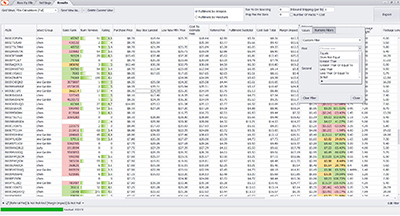
One of the top struggles for Amazon FBA businesses is efficiently evaluating supplier lists and avoiding restricted products or brands. As you scale, it can become time-consuming to do accurate bulk analysis or check for intellectual property risks. Many sellers turn to specialized Amazon product research tools to streamline their workflow, filter out restricted items, and perform in-depth profit analysis on large catalogs. Leveraging the right research software not only minimizes risk but also boosts the rate at which you can discover both evergreen and trending opportunities.
What Makes a Product “Evergreen”?
While trends burst onto the scene, evergreen items serve year-round needs. Staples like home organizers or kitchen basics rarely depend on a holiday or cultural moment, and their search volume tends to stay steady through the year.
The secret? Evergreen offerings address ongoing consumer problems or daily routines. Think office supplies, cleaning products, or pet care essentials. Such items have consistent demand, making them less prone to big sales dips. Many Amazon sellers value the predictability that comes with evergreen categories, even if they might move slower than a trending gadget at its peak.
There’s a hidden perk, too. Evergreen products often help you form repeat customer relationships. When shoppers need the same essential regularly, they’re more likely to reorder from a brand that delivered a good experience the first time.
Risk and Opportunities: Comparing Both Approaches
Market trends can lead to massive gains if you move quickly, but there’s a downside: unpredictable demand. Overextending your inventory can result in high storage fees once the trend tapers off, and many sellers have taken a major loss when a product fad faded. In the Seller Index 2026, 38% of sellers described themselves as “grinding”, with revenue rising but margins falling (summary of the Seller Index 2026).
By contrast, evergreen products experience less volatility. Steady search volumes mean fewer worries about overstock. Profits might grow more gradually, but the consistency helps you forecast sales and manage your monthly overhead. This route also can help you spread out your brand presence—buyers might remember you for additional everyday staples you offer.
No strategy is without risk. Even evergreen items can become oversaturated, and newcomers keep arriving: about 165,000 sellers listed their first product on Amazon.com in 2025 (Marketplace Pulse). If a market becomes too crowded, new entrants might struggle to stand out and sustain profit margins. Consequently, success often lies in finding a unique angle or a valuable variation.
For sellers curious about competitor product selection and how it affects both trending and evergreen strategies, our guide on choosing the right competitor tool shares tips for monitoring leading storefronts and adjusting your approach with real data.
Combining Market Trends and Evergreen Items
Some of the most robust Amazon sellers balance both. They keep a large share of their inventory in evergreen items for dependable income, and the rest in trendy, higher-risk products. This approach diversifies your stock and buffers you if a quick-rising fad collapses out of the blue.
Sellers who blend evergreen and trend-focused lines generally carry less overall risk than trend-only sellers, and evergreen mainstays act as a safety net when a risky bet doesn’t pan out. If you’re searching for software to source supply leads efficiently, you might look into Amazon sourcing research tools that can help you switch gears depending on whether you’re after a trend or a core product.
This dual focus also supports brand expansion. For instance, if you launch a trending product that unexpectedly transforms into a consistent seller, you can move it into your evergreen category. On the other hand, a reliably selling evergreen item can be upgraded with trend-based extras—like holiday versions or tie-ins to popular cultural themes—bringing a fresh wave of buyers.
Key Takeaway
Basing your Amazon FBA strategy purely on either trends or evergreen products can limit growth. You need short-term bursts of revenue from hot items and a stable financial foundation from dependable listings. By mixing both, you hedge against shifts in consumer interest while creating sustainable profit streams for the long haul.
If you want to read more about balancing popularity spikes and consistent revenue, visit our detailed guide on how to find a product to sell on Amazon without guesswork. With the right product mix and data-driven planning, each approach can be a stepping stone to lasting success on Amazon.
FAQ
How do I decide whether to focus on trends or evergreen products?
It depends on your risk tolerance and resources. If you prefer predictability and steady growth, evergreen products are generally safer. If you have the ability to move quickly and manage inventory actively, capitalizing on market trends Amazon can produce fast gains—just be aware of the higher risks and shorter product lifecycles.
Can I use both strategies at the same time?
Yes, many experienced Amazon sellers combine trend-driven listings with evergreen products. This diversified approach helps balance quick wins with long-term stability, allowing you to ride market trends while depending on core staples for baseline revenue.
How do Amazon FBA fees impact my choice of products?
Amazon FBA fees can significantly affect profitability, especially for trending products with uncertain sell-through rates. It’s crucial to factor storage and fulfillment costs into your product analysis. For a closer look at cost factors, you may want to review Amazon FBA costs to ensure your pricing model supports sustainable margins.
What tools can help with bulk product analysis?
Solutions like stage.analyzer.tools allow you to upload large supplier price lists, check product restrictions, and analyze profitability at scale. This makes it much easier to efficiently vet both evergreen and trending products.
How do I monitor restricted brands or avoid intellectual property issues?
Before sourcing new items, using dedicated research tools can alert you about Amazon restricted brands or known IP risks. These alerts protect your Amazon seller account and help you stay compliant as you expand your catalog.
Ready to accelerate your Amazon product sourcing? stage.analyzer.tools lets professional sellers bulk analyze supplier catalogs of up to 4 million products per hour, with 80+ data points per product including estimated sales and Bought in Past Month, and Brand IP Alert to help safeguard your account. View plans and pricing. Plans start at $15.