


Jason
November 8, 2026Amazon product launch success hinges on a strategic blend of promotions, targeted PPC campaigns, and the ability to secure early reviews. If you’re aiming to boost your first listing or refresh an existing one, adopting an effective launch strategy can set you apart on a crowded marketplace. Whether you sell private-label goods or source items wholesale, a well-planned launch can lock in steady rankings and sustained profits.
- Effective product research and competitive analysis drive a strong Amazon launch.
- Early sales velocity and carefully-timed PPC campaigns are key for ranking success.
- Leveraging reviews, influencer marketing, and external traffic builds sustained growth.
- Inventory management and feedback requests support ongoing performance.
- Advanced tools and strategic brand moves can help you stand out.
What Makes a Successful Amazon Product Launch?
A strong launch starts with detailed product research. You want a niche with enough demand to generate traction but minimal competition that threatens your viability.
Identifying the right item is crucial to building momentum. If you’re still exploring new opportunities, consider these tips on how to find a product to sell on Amazon without guesswork. By analyzing search volume, reviewing historical data, and prioritizing essential differentiators, you position yourself for early success.
Early sales velocity is the second pillar of a fruitful launch. New products that achieve strong sales in their first 30 days tend to hold better rankings afterward. Sales velocity demonstrates relevance to Amazon’s algorithms, which can open the door to improved organic placement.
Finally, timing your campaign can matter. Certain months or seasonal windows show surges in buyer intent, and aligning your launch with these patterns can boost initial impressions. Many sellers time new listings to go live before major sales events so they are ready when demand rises.
For a quick readiness check, consider these vital steps in this essential checklist. It can help you confirm that your listing assets, budget, and logistics plans are ready for day one.
Using the Right Tools to Accelerate Launch Results
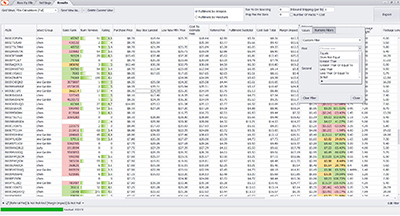
Navigating your Amazon product launch is easier with specialized software designed for data-driven wholesale sellers. Tools such as stage.analyzer.tools can scan supplier lists of thousands of SKUs, up to 4 million products per hour, and show profit, ROI and Bought in Past Month for each one. With features like bulk spreadsheet scanning and Brand IP Alert, you can make more confident sourcing and advertising decisions. This speeds up your product research and helps minimize costly mistakes before you buy inventory.
Those interested in maximizing operational efficiency might also explore scan unlimited alternatives for feature-rich wholesale and FBA research.
Mastering Amazon PPC: Key Tactics
Advertising is a major part of how products get found on Amazon, which makes PPC pivotal for a launch. Amazon’s own results show how big the channel is: advertising revenue grew 12% year over year in the third quarter of 2026, excluding currency changes. Strategic campaigns can accelerate your launch, generate initial sales, and strengthen your organic ranking.
Dynamic Bidding and Negative Keywords
Dynamic bidding uses Amazon’s machine learning to raise or lower your bids in real time, which can help reduce wasted ad spend. Automated adjustments aim to raise bids when your likelihood of conversion is higher and lower them if data suggests a reduced chance of a sale.
Combining dynamic bidding with negative keywords can refine your targeting. Adding irrelevant search terms as negatives helps shrink wasted spend and preserve your Advertising Cost of Sales (ACoS). Sellers who review their negative keyword lists regularly tend to waste less spend than those who update sporadically.
Data-Driven Keyword Research
Deep keyword insights guide your PPC strategy. Think about grouping your keywords by intent and search volume, placing top-traffic terms in your “exact match” campaigns to track performance precisely. Focusing on a core set of high-intent keywords usually improves conversion rates over scattering your budget across many weak terms.
Optimizing your listing around these keywords is equally important. Before finalizing your PPC campaigns, many sellers refine their listings based on advanced keyword strategies. Helpful guidance appears in keyword tactics you shouldn’t ignore, which can further boost quality scores in PPC auctions.
For additional options to refine your keyword planning, check out this rundown of free keyword tools for Amazon sellers.
Giveaways and Early Sales Velocity
Although Amazon discontinued its official giveaway program, third-party or social media giveaways are still popular. They can spark immediate engagement when executed carefully.
A short-run giveaway involving discounted or free items can gather reviews quickly. Social media campaigns timed around new product releases can lift organic traffic. The key is tailoring deals to your target audience rather than random bargain hunters who seldom convert into long-term buyers.
Influencers also play a prominent role here. A strategic collaboration with a niche-relevant influencer helps funnel motivated shoppers to your listing. Even modest influencer reach can yield meaningful returns if their audience aligns with your product category.
Advanced Seller Strategies to Stand Out
Once your initial sales are rolling in, switching gears from launch tactics to advanced moves can propel lasting growth. Start by building a brand presence to differentiate yourself from other sellers offering similar items.
Amazon Brand Registry unlocks A+ Content and a dedicated storefront, which help your listings convert better and give you more ways to connect with shoppers.
External traffic also helps. Many sellers utilize Facebook Ads, email lists, or influencer partners. External campaigns paired with Amazon’s Brand Referral Bonus program can earn referral credits that offset part of your ad costs. Linking from your personal site, blogs, or YouTube channels drives incremental traffic that may not find you purely through Amazon’s internal search.
If you crave deeper insights on market changes, consider exploring how data integration guides better market analysis. Some sellers also turn to Amazon Marketing Cloud (AMC) for advanced audience insights.
Those expanding into wholesale or new categories should also familiarize themselves with potential Amazon restricted brands for safer, smarter sourcing.
Reviews and Inventory Management
Fostering a continuous stream of feedback is vital after launch. Reviews shape keyword relevance and impact conversion rates. Stores that request feedback ethically and address concerns quickly build buyer confidence, which supports sales.
Use the “Request a Review” button in Seller Central to keep your approach compliant. You can also include a simple product insert with a polite note asking buyers for their honest opinions.
Simultaneously, prudent inventory management keeps your momentum going. A stockout can cost you ranking positions that take time to win back. Tools that forecast demand more precisely or track inbound shipments in real time may help you dodge costly stock gaps.
FBA (Fulfillment by Amazon) can remove logistics headaches, but keep an eye on storage fees. Sellers with high-turnover products may prefer FBA, while slower-moving inventory sometimes suits a merchant-fulfilled model.
Bottom Line
Success hinges on thorough research, creative advertising, and a well-timed surge of sales right out of the gate. Gaining an edge with advanced tactics—such as influencer giveaways or external traffic streams—helps maintain your upward trajectory.
If you plan to scale further, consider brand expansion across multiple product lines. This approach strengthens your foothold and creates cross-promotional opportunities. Get more ideas for growth in building an Amazon brand ecosystem so you can thrive beyond single-item success.
By focusing on precise PPC optimization, harnessing credible reviews, and structuring your inventory plans, your new listing can deliver profits throughout its lifecycle. These foundations prove that a powerful launch is more than a one-time event—it is the groundwork for sustained progress in Amazon’s competitive environment.
Ready to level up your product research, sourcing, and launch strategy? stage.analyzer.tools is the wholesale Amazon tool built for bulk scanning, in-depth insights, and scalable success. View plans and pricing. Plans start at $15.
FAQ
How quickly should I expect to see rankings improve after an Amazon product launch?
Most sellers see movement in their search rankings within the first 30 days if they drive early sales velocity and maintain a solid PPC campaign. Quick momentum signals relevance to Amazon’s algorithms and helps lock in higher organic placement.
What are some pitfalls to avoid when using external traffic for a launch?
Driving outside visitors can be effective, but low-quality or untargeted traffic may increase bounce rates or attract buyers unlikely to convert. Focus on relevant audiences using platforms like Facebook Ads, blogs, or influencer partnerships aligned with your product line. For more strategies, check out free keyword tools for Amazon sellers.
How do I know if a product has brand restrictions or IP risks on Amazon?
Before listing a new product, it’s wise to check if the brand appears on Amazon’s restricted list or has a history of intellectual property complaints. This proactive research will help you avoid costly account issues or takedowns. stage.analyzer.tools and resources like this Amazon restricted brands guide can help identify these risks early.
Are there free or low-cost tools for new Amazon sellers to help with launch and analysis?
Absolutely. Besides advanced platforms, there are best free tools for new Amazon sellers and browser extensions that can offer valuable support as you scale. These cover basic research, profit calculations, and product tracking, making them a smart start for those on a budget.